
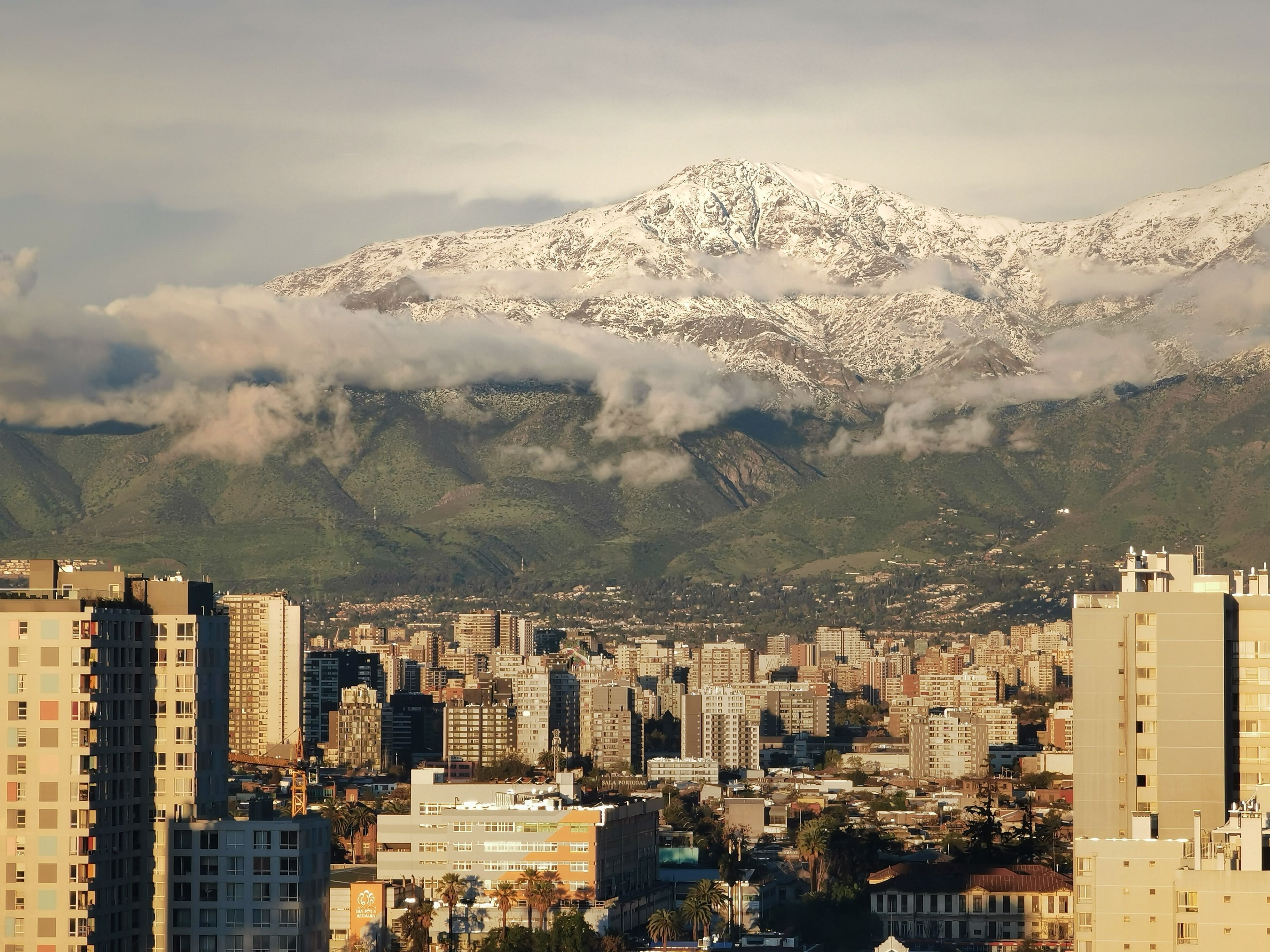
Quick Answer: East Mountains vs. Albuquerque comes down to trade-offs, not a clear winner. Albuquerque offers cheaper apartments, shorter commutes, and city services, with a median gross rent near $1,145. The East Mountains, just east of the Sandia Mountains, deliver forest and quiet, plus real elbow room, but rentals cost more and skew toward single-family homes. Budget-first renters usually pick Albuquerque.
The East Mountains vs. Albuquerque decision splits renters into two camps, and our guide on apartment amenities in the city versus the suburbs frames the split well. Serving renters across Albuquerque and the East Mountain communities just east of the city, this comparison weighs both. Both areas sit in Bernalillo County, divided by the Sandia Mountains, yet they rent, commute, and live nothing alike.
East Mountains vs. Albuquerque: How These Areas of Albuquerque Compare
For renters, the comparison comes down to cost, commute, and daily convenience. Albuquerque is a city of about 557,000 with dense apartment options. The East Mountains are a cluster of small communities, greener and higher, where life runs slower and most renters lease houses rather than apartments. Each setting suits a different kind of renter.
Inside the East Mountains: Tijeras, NM, and Beyond
The East Mountains include Tijeras, NM, plus Cedar Crest, Sandia Park, and Edgewood, with Moriarty and Estancia further out. Most sit above 6,000 feet along Interstate 40 and the Turquoise Trail. The village of Tijeras alone covers barely more than a square mile. Expect pine, pinon, and dark night skies here, not sidewalks and streetlights. Rentals lean toward houses, cabins, and casitas rather than apartment buildings, and services stay limited to a grocery store, a few gas stations, banks, and a branch library. Cedar Crest, for scale, counted just 933 residents in the 2020 Census, which is why the area feels more like a mountain village than a suburb.
Albuquerque and the Sandia Mountains
Albuquerque spreads across the Rio Grande Valley on the west side of the Sandia Mountains, the range that gives the metro its eastern skyline. The city holds the areas of Albuquerque most renters know: Nob Hill, Uptown, the University district, and the Northeast Heights. Roughly 38% of Albuquerque households rent, so purpose-built apartment communities are everywhere, and the Cibola National Forest's Sandia Ranger District trailheads sit minutes from town for weekend hikes. Renting stays common for good reason: the typical Albuquerque home is valued near $291,500, with a median household income around $68,317, so apartments remain the affordable entry point for many.
Is It Cheaper to Rent in Albuquerque or the East Mountains?
For most renters, Albuquerque is cheaper. As of mid-2026, the city's median gross rent sits near $1,145, and one-bedroom units often list under $1,000, according to the U.S. Census Bureau. East Mountain rentals run higher because they are mostly houses and cabins, not apartments, with typical asking rents from about $1,975 to $2,800 a month.
| Rental factor | Albuquerque | East Mountains |
|---|---|---|
| Typical 1-bed rent | Around $975 to $1,275 a month | Few apartments; houses from $1,975+ |
| Common rental type | Purpose-built apartments and condos | Single-family homes, cabins, casitas |
| Median gross rent | About $1,145 (Census, 2020-2024) | Higher; limited public data |
| Commute to Downtown | Mean 22.4-minute drive citywide | Roughly 15 to 30 minutes on I-40 |
| Best fit for | Budget renters wanting apartment living | Renters craving space and quiet |
What Albuquerque Rentals Actually Cost
Albuquerque rentals span a wide range. Rent.com pegs the average one-bedroom near $977, while trackers like Zumper put the citywide median close to $1,274, roughly 35% below the national figure. Neighborhood drives the price. West Mesa and Southeast Albuquerque run cheapest, while High Desert and Nob Hill command a premium. Albuquerque apartments give you the widest choice of prices and floor plans, and that inventory is the city's biggest edge for renters. Cost of living: Albuquerque comes out ahead on rent, groceries, and gas versus a mountain move. Set against a mountain house near $2,500, a city one-bedroom under $1,000 can save a renter well over $1,500 a month before utilities.
Sticker rent hides part of the story, though. Homes above 6,000 feet in Cedar Crest and Sandia Park often run on propane heat, well water, and septic systems, and Sandia Park averages about 59.5 inches of snow a year. Those realities add to a mountain renter's monthly costs in ways a city apartment quote never shows.
Suburban vs. Urban: Which Apartment Living Style Fits You?
Suburban vs urban is almost the wrong frame here, and that trips up new arrivals. The East Mountains are rural, not suburban. There are no rows of tract homes and no bus routes at all. The Albuquerque suburbs, by contrast, blend apartments, shops, and schools within a short drive. Your real choice is rural quiet against urban access.
City life wins on convenience. In Albuquerque you can walk to coffee, groceries, and a gym, and commuters average about a 22-minute drive to work. Ski runs at Sandia Peak still sit within an hour, so you keep the mountains without living on them. The tradeoff is more noise and traffic, plus less privacy in the city core.
Mountain living rewards a different renter. You get room for pets, space to garden, and quiet the city cannot match, but you give up transit and quick errands, and you commit to a car for everything. Whichever way you lean, the leasing basics still apply, so it helps to know whether you will need an apartment guarantor before you apply.
Frequently Asked Questions
1. Is it cheaper to live in the East Mountains or Albuquerque?
Albuquerque is usually cheaper for renters. The city's median gross rent is about $1,145, and apartments frequently list under $1,000 a month. East Mountain rentals are mostly houses starting near $1,975, so you generally pay more for the space, quiet, and mountain setting east of the city.
2. How far is Tijeras, NM, from Albuquerque?
Tijeras sits roughly 15 to 20 minutes east of Albuquerque on Interstate 40 through Tijeras Canyon. Cedar Crest and Sandia Park add a few more minutes, while Edgewood and Moriarty run 30 minutes or more. Citywide, Albuquerque commuters average about a 22-minute drive to work.
3. Are there apartments for rent in the East Mountains?
Yes, but very few. Listing sites in the Tijeras area often show only a handful of apartment units at a time, typically around $1,549, while most rentals are single-family homes and cabins. If apartment living is your priority, Albuquerque offers far more inventory and price choices.
4. Does it snow more in the East Mountains?
Yes, noticeably more, because of the elevation. Quick points renters should know:
- Sandia Park averages about 59.5 inches of snow a year.
- Communities sit above 6,000 feet, so winters run colder and longer.
- Snow and ice can slow the I-40 canyon commute into Albuquerque.
- Many mountain homes rely on propane heat, which raises winter bills.
5. What are the East Mountains in New Mexico?
The East Mountains are a group of small communities just east of the Sandia Mountains in Bernalillo County, including Tijeras, Cedar Crest, Sandia Park, and Edgewood. They offer rural, forested living within a short drive of Albuquerque, and most housing is owned or rented as single-family homes.
Conclusion
East Mountains vs. Albuquerque really comes down to what you value most. If low rent, short commutes, and walkable errands top your list, Albuquerque and its apartment communities are the practical pick. If you want pines, quiet, and room to spread out, and you can absorb higher rent plus a car-dependent commute, the East Mountains deliver. Tour both, run the true monthly numbers, and if you land a place you love, understand your options for a lease extension before your term ends.