
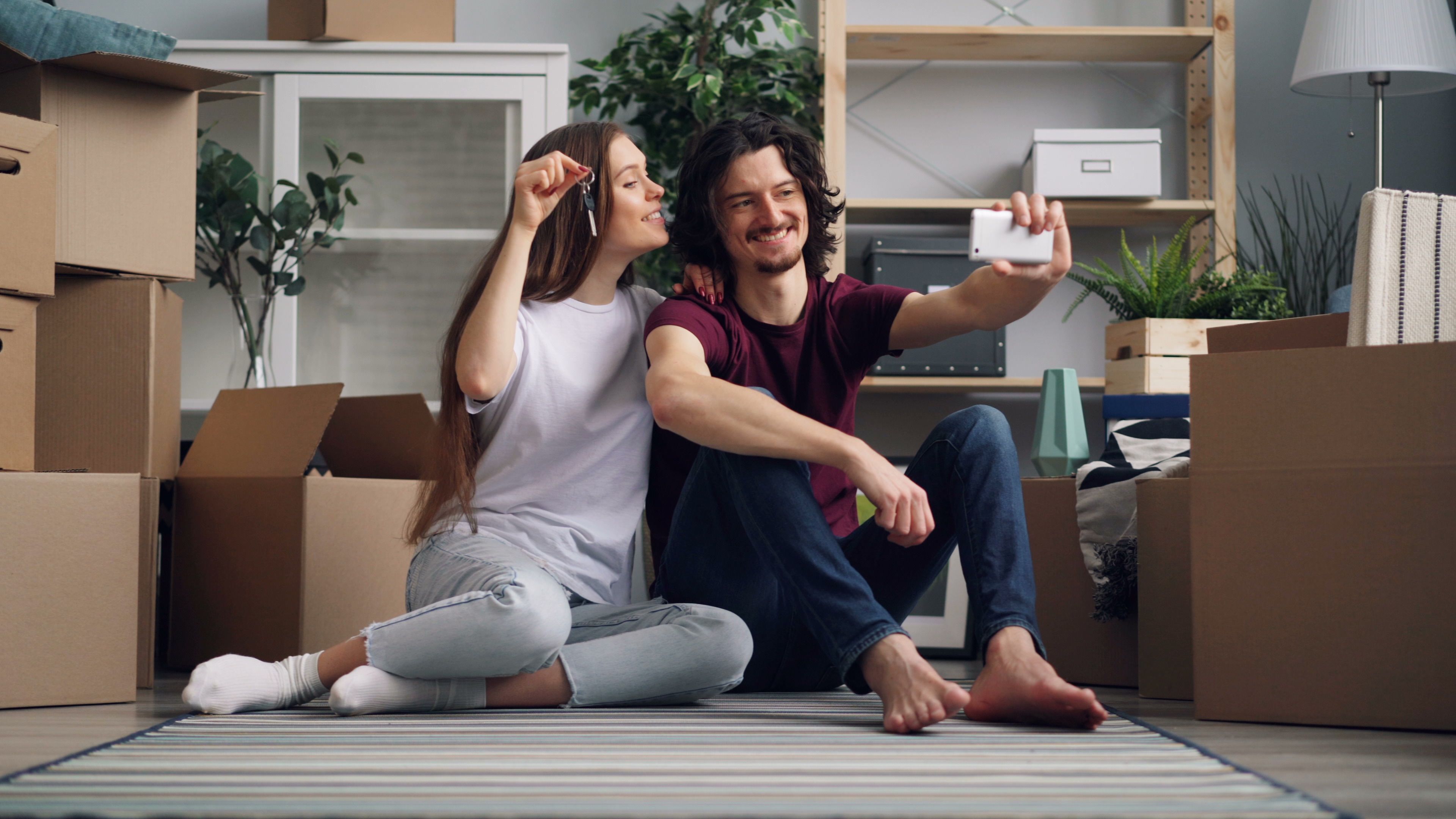
Quick Answer: Living in a studio with a partner works when the unit is approved for two occupants and you've agreed on sleep schedules, work hours, chores and money before you sign. Expect lower rent and less privacy. If you both work from home most days, a one-bedroom is usually the safer choice.
Two people in one room, with nowhere to storm off to. That's the honest summary of living in a studio with a partner, and plenty of couples still choose it because the rent is hard to beat. At Juniper Flats in Albuquerque, the studio floor plans run from about 212 to 498 square feet, which is the size range this guide is written for.
What Is Living in a Studio Apartment Like for Two People?
A studio puts your bed, sofa, kitchen and desk in one open room, with only the bathroom behind a door. For two people, that means shared light and shared noise from morning to night. Couples who do well in a studio tend to keep similar hours and own less than they think they need.
The upside is cost. A studio is usually the lowest rent in a building, and splitting it two ways frees up money for savings or a car payment.
The downside shows up on workdays. As of June 2026, the Bureau of Labor Statistics reports that 35% of employed people did some or all of their work at home on days they worked in 2025. If that describes both of you, two video calls in one room is the first problem to solve.
For couples living together for the first time, a studio also removes the usual escape hatch. There's no second room to cool off in. Some pairs find that pushes them to talk things through sooner. Others just find it tiring.
Can 2 People Live in a Studio Apartment?
Yes, in most U.S. rentals two adults can share a studio. No federal law sets a national occupancy number. HUD's fair housing policy treats two people per bedroom as a reasonable general rule, and many landlords apply a two-person limit to studios. Your city's housing code and your lease make the final call.
The federal piece comes from a HUD policy statement published in the Federal Register on December 18, 1998. It says an occupancy policy of two persons in a bedroom is, as a general rule, reasonable under the Fair Housing Act. HUD also weighs the size and layout of the unit and any state or local occupancy law.
Local codes add a square footage test. Many cities set a minimum floor area for a studio, often called an efficiency unit in the code, and raise it for each added occupant. The numbers differ from one city to the next. Ask the leasing office for the occupancy limit on the exact floor plan before you apply.
Then there's the lease. Most apartment communities require every adult living in the unit to apply and sign, which usually makes each of you responsible for the full rent, not half. If one income carries the application, read up on the difference between a cosigner and a coapplicant before deciding whose name goes where.
Studio vs. Sharing a One Bedroom Apartment
Sharing a one bedroom apartment costs more each month, but it buys a door. Here's how the two options compare for a couple.
| Factor | Studio | One-bedroom |
|---|---|---|
| Monthly rent | Usually the lowest in the building | Higher, for the added square footage |
| Privacy | The bathroom is the only closed door | A bedroom door separates sleep from everything else |
| Different schedules | Early alarms and late TV reach both people | One person can sleep while the other is up |
| Working from home | One call at a time unless you both wear headphones | Two separate work spots |
| Best for | Couples with similar hours who want to save | Couples who both work from home or keep opposite hours |
Studio Apartment Tips for Sharing One Room
The studios that work for two are set up on purpose. Split the room into a sleep zone and a living zone, then agree on a few house rules before the boxes arrive. None of this costs much. Skipping it is what makes a small apartment feel even smaller.
Small Space Organization for Two
Start by owning less. Two households merging into one room will have duplicates: two toasters, two desk chairs. Pick one of each before moving day.
After that, go up the walls. Tall shelving and under-bed bins add storage without using floor space. Give each person one shelf and one drawer that the other never touches. It sounds petty. It heads off a lot of arguments about clutter.
Shared spaces outside your door count too. A community laundry room or an outdoor seating area takes pressure off a small floor plan, so it helps to know which apartment amenities matter most for the way you live.
Studio Apartment Ideas for Privacy and Sleep
A curtain on a ceiling track or an open-back bookcase can hide the bed from the sofa. Neither blocks sound, so headphones do the rest. Ask the office before you drill into anything; a tension rod does the same job without holes.
Sleep is the harder problem. The CDC recommends 7 or more hours a night for adults 18 to 60, and its list of helpful habits includes a quiet bedroom and turning off devices 30 minutes before bed. In a studio, the bedroom is also the TV room. Agree on a lights-out time for work nights and stick to it.
Moving In Together: Talk Money and Chores First
Moving in together goes more smoothly when the awkward talks happen before the lease does. Decide how you'll split rent and utilities, and what happens if one of you loses income for a month or two.
Chores need the same treatment. BLS time-use data for 2025 shows that on days they did household activities, women spent an average of 2.8 hours on them and men spent 2.1. In one room, an uneven split is on display all day. Write the list down.
Frequently Asked Questions
1. Is it legal for two people to live in a studio apartment?
In most places, yes. Federal fair housing policy doesn't set a national occupancy number, and HUD treats two people per bedroom as a reasonable general rule. The real limits come from your city's housing code and the property's own occupancy policy, so confirm both in writing before you apply.
2. How many square feet do two people need in a studio?
There's no single national number. City housing codes set the legal minimum floor area, and it changes with the number of occupants. Comfort depends more on habits than on square footage. A couple with similar hours and few belongings can manage a compact studio, while two people working from home will want the largest plan available.
3. How do couples get privacy in a studio?
You create it with layout and habits, since the floor plan won't do it for you. Four things help most couples:
- Hang a curtain or place a bookcase between the bed and the sofa.
- Use headphones for calls and shows.
- Plan solo time outside the apartment each week.
- Treat a closed bathroom door as a do-not-disturb sign.
4. Does my partner need to be on the lease?
Usually, yes. Most leases require every adult occupant to apply and be listed, and an unlisted long-term guest can be treated as a lease violation. Being on the lease also gives your partner a tenant's rights to the home. Ask the leasing office how to add an occupant if one of you already lives there.
5. Should we try a studio before renting a bigger place?
It can be a sensible test. One lease term shows you how your routines fit in a single room, and you can reassess before renewal. If it's working but you aren't ready to commit to another full term, ask about a lease extension. If it isn't, you'll know what the next place needs.
Conclusion
Check the occupancy limit and put both names on the lease. Set up the room in zones before you unpack. If your schedules clash or you both work from home, price out a one-bedroom too.
Have a floor plan in mind? Ask the Juniper Flats leasing office about its occupancy limit before you apply. With that homework done, living in a studio with a partner is a practical way to keep rent low, in Albuquerque or anywhere else.